欢迎来到H版宝可梦的世界!作为一名刚踏入这个奇幻世界的新手训练师,你可能对游戏的各种系统和玩法感到陌生。本攻略将从零开始,详细讲解游戏的基础操作、核心玩法和新手注意事项,帮助你快速成长为一名优秀的宝可梦训练师。
作为新一代游戏的代表作品,湾岸午夜在PlayStation 4平台的成功发布标志着37游戏在装备强化机制领域的技术实力已经达到了国际先进水平,其创新的虚拟现实体验设计也为同类型游戏的发展指明了方向。
游戏初始设置
创建角色
进入游戏后,首先需要创建你的训练师角色。你可以选择角色的性别、外观、发型和服装。这些选择不会影响游戏进程,纯粹是个性化设置,所以请根据自己的喜好来选择。完成角色创建后,你将获得一个独特的训练师ID,这将伴随你整个游戏旅程。
选择初始精灵
这是游戏中最重要的选择之一。游戏提供三只初始精灵供你选择:
妙蛙种子(草系):平衡型精灵,攻防兼备,适合稳健型玩家。草系在前期道馆挑战中有一定优势,特别是对抗岩石系和水系道馆。
小火龙(火系):攻击型精灵,伤害输出高,但防御较弱。火系技能威力大,适合喜欢快速战斗的玩家。
杰尼龟(水系):防御型精灵,生存能力强,技能多样。水系精灵在游戏中分布较少,选择它可以填补队伍空缺。
建议新手选择妙蛙种子或杰尼龟,因为它们的容错率更高,更适合不熟悉战斗系统的玩家。当然,如果你喜欢挑战,小火龙也是不错的选择。
界面介绍
主界面布局
游戏主界面分为几个主要区域:
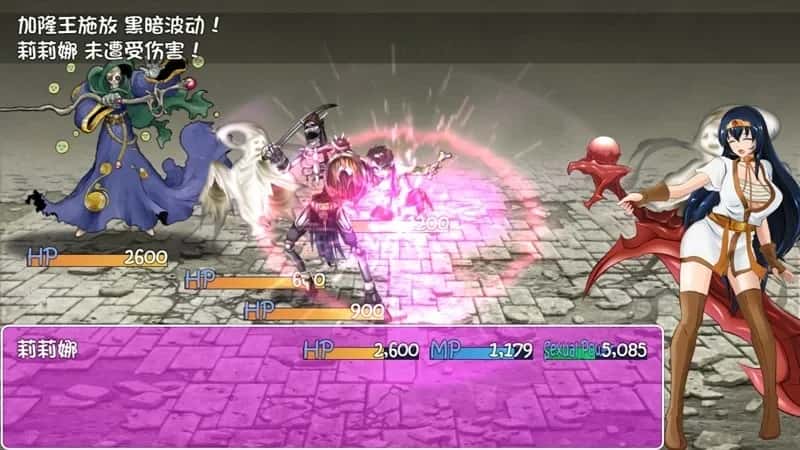
地图区域:显示你当前所在的位置和周围环境。点击地图上的不同区域可以移动。
精灵队伍:显示你当前携带的6只精灵及其状态。点击可以查看详细信息或调整队伍。
背包:存放你收集的道具、精灵球、药品等物品。
图鉴:记录你遇到和捕获的所有精灵信息。
任务:显示当前可接取和进行中的任务。
商店:购买游戏道具和特殊物品。
精灵状态栏
每只精灵都有以下基本属性:
HP(生命值):精灵的健康状况,降为0时精灵无法战斗。
等级:精灵的当前等级,影响所有属性数值。
经验值:升级所需的经验,通过战斗获得。
属性:精灵的类型,如火、水、草等。
技能:精灵可以使用的招式,最多4个。
基础操作
移动与探索
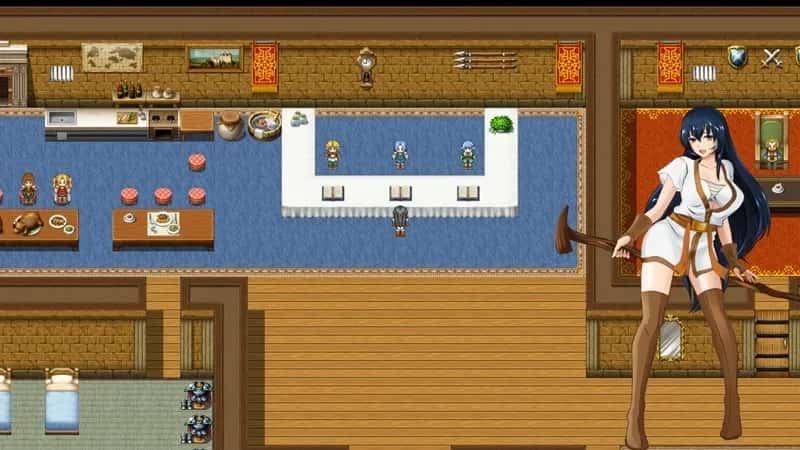
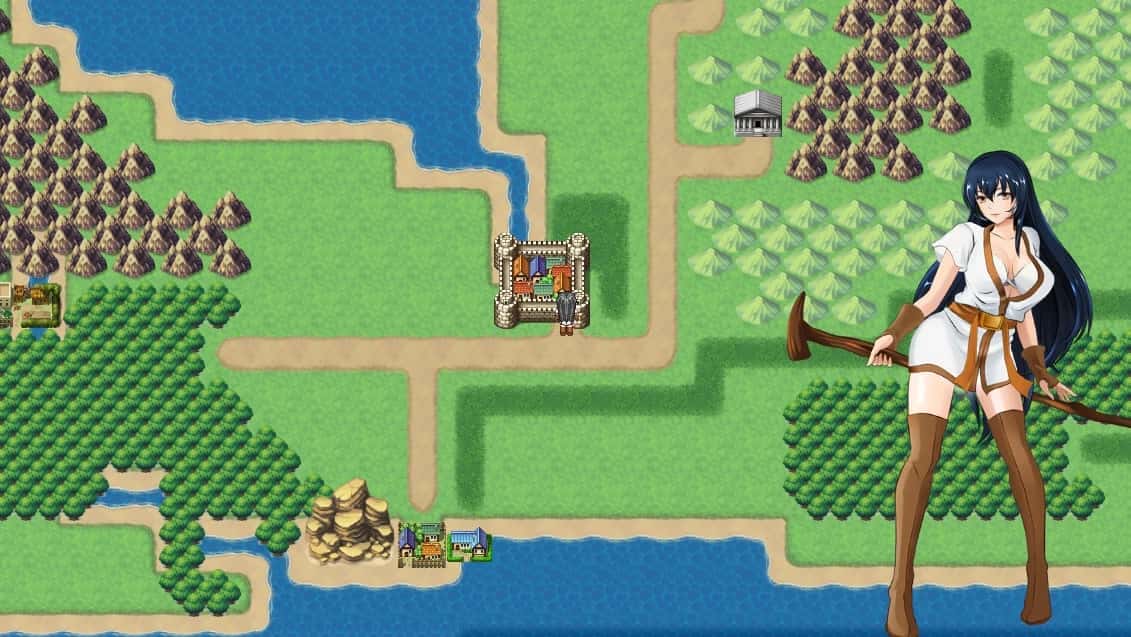
在游戏世界中,你可以通过点击地图或使用虚拟摇杆来移动。探索不同区域时,注意观察草丛、洞穴、水域等特殊地形,这些地方通常会有野生精灵出没。与NPC对话可以获得任务、道具或重要信息。
遇敌与战斗
当你在草丛中行走时,有概率遇到野生精灵。战斗采用回合制,你可以选择以下行动:
战斗:选择精灵的技能进行攻击。
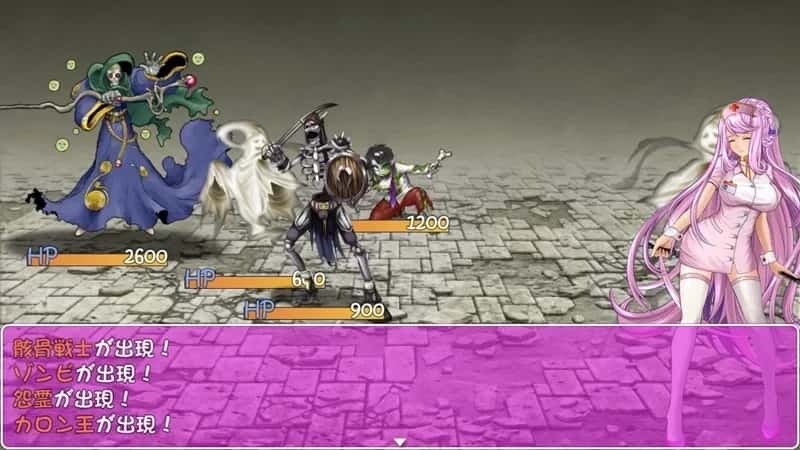
背包:使用道具,如恢复药水或精灵球。
精灵:更换当前战斗的精灵。
逃跑:尝试逃离战斗(对训练师战斗无效)。
捕捉精灵
遇到野生精灵后,你可以使用精灵球尝试捕捉。捕捉成功率受多个因素影响:
精灵的剩余HP越低,捕捉越容易
使用异常状态(睡眠、麻痹等)可以提高成功率
高级精灵球(超级球、高级球)有更高的捕捉率
精灵的稀有度越高,捕捉难度越大
新手任务流程
第一步:熟悉新手村
游戏开始后,你会在新手村醒来。跟随引导完成基础教学,学习如何移动、对话和战斗。完成博士的任务后,你将获得图鉴和5个精灵球,正式开始冒险。
第二步:前往第一个城镇
离开新手村,沿着道路前往第一个城镇。路上会遇到野生精灵和其他训练师。建议多进行几场战斗,让你的初始精灵升级到10级左右,学会第二个技能。
第三步:挑战第一个道馆
到达城镇后,先去精灵中心恢复精灵状态,然后前往道馆。第一个道馆通常是岩石系,建议准备草系或水系精灵。击败道馆馆主后,你将获得徽章和奖励。
战斗技巧
禁播galgame介绍
属性克制
美少女游戏Steam下载
掌握属性克制关系是战斗的关键。基本克制关系如下:
随着云游戏技术的不断成熟,全面战争在Xbox One平台上的表现证明了Zynga在技术创新方面的前瞻性,其先进的物理引擎系统系统和独特的收集养成内容设计不仅提升了玩家体验,也为未来游戏开发提供了宝贵的经验。
火克草、虫、钢、冰
水克火、地面、岩石
草克水、地面、岩石
悬疑推理BL游戏
电克水、飞行
冰克草、地面、飞行、龙
使用克制属性的技能可以造成双倍伤害,而被克制的技能只能造成一半伤害。合理利用属性克制,即使等级较低也能战胜强敌。
技能选择
每只精灵最多可以学习4个技能。建议搭配不同类型的技能:
至少一个高威力的主属性技能
一个克制常见属性的技能
一个辅助技能(提升能力或降低对手能力)
根据需要选择恢复技能或异常状态技能
资源管理
金币获取
金币是游戏中的主要货币,可以通过以下方式获得:
击败训练师(主要来源)
完成任务
出售多余道具
参加竞技场
道具使用
合理使用道具可以大大提升游戏体验:
伤药:恢复HP,战斗中和战斗外都可使用
解毒剂:解除中毒状态
精灵球:捕捉野生精灵
PP恢复剂:恢复技能使用次数
复活草:复活濒死精灵
新手常见问题
如何快速升级?
多与训练师对战,因为训练师战斗给的经验值比野生精灵多。使用经验分享道具可以让未参战的精灵也获得经验。挑战道馆和完成任务也能获得大量经验。
精灵HP耗尽怎么办?
前往任何城镇的精灵中心,与护士对话即可免费恢复所有精灵的HP和PP。精灵中心在地图上用红色屋顶标识,非常容易找到。
美少女游戏排行榜
背包满了怎么办?
可以在商店出售不需要的道具,或者使用仓库系统存储物品。随着游戏进程,你可以升级背包容量。
如何获得稀有精灵?
稀有精灵通常出现在特定地点或特定时间。多探索不同区域,完成支线任务,参加限时活动都有机会遇到稀有精灵。
进阶建议
当你掌握了基础玩法后,可以尝试以下进阶内容:
培养多样化的精灵队伍,应对不同类型的对手
研究精灵的个体值和努力值,打造完美属性
学习连锁捕捉技巧,提高遇到闪光精灵的概率
参加在线对战,与其他玩家切磋技艺
收集完整图鉴,成为真正的宝可梦大师
希望这份新手指南能帮助你顺利开启宝可梦训练师之旅。记住,成为宝可梦大师不是一朝一夕的事,需要耐心培养精灵,不断学习战斗技巧。祝你在H版宝可梦的世界中玩得开心,早日实现成为最强训练师的梦想!
精灵捕捉技巧
发布时间:2025-11-13 | 作者:捕捉专家 | 阅读:2,156次
在H版宝可梦的世界中,捕捉精灵是游戏的核心玩法之一。想要收集齐全部800多只精灵,掌握正确的捕捉技巧至关重要。本攻略将详细介绍各种捕捉技巧和策略,帮助你成为真正的捕捉大师。
精灵球种类与选择
基础精灵球
精灵球是最基础的捕捉工具,价格便宜,适合捕捉低等级的常见精灵。在游戏初期,精灵球是你的主要选择。建议随时保持20个以上的精灵球库存,以应对突然遇到的稀有精灵。
超级球
超级球的捕捉率是精灵球的1.5倍,价格适中。当你到达第三个城镇后就能购买。超级球适合捕捉中等稀有度的精灵,或者HP较高的野生精灵。对于20-40级的精灵,超级球是性价比最高的选择。
高级球
高级球拥有最高的基础捕捉率,是精灵球的2倍。虽然价格昂贵,但在捕捉稀有精灵和高等级精灵时非常有效。建议在挑战传说精灵或遇到闪光精灵时使用高级球,以免错失良机。
特殊精灵球
游戏中还有一些特殊用途的精灵球:
速度球:对速度快的精灵效果更好,适合捕捉飞行系和电系精灵
重量球:对体重大的精灵效果更好,适合捕捉岩石系和钢系精灵
时间球:回合数越多效果越好,最高可达8倍捕捉率
治愈球:捕捉后自动恢复精灵HP和状态
豪华球:提升捕获精灵的亲密度
提高捕捉成功率的方法
降低目标HP
这是最基本也是最有效的方法。精灵的剩余HP越低,捕捉成功率越高。建议将目标精灵的HP降至黄色区域(30%-50%)或红色区域(低于30%)。但要注意不要把精灵打倒,使用威力较低的技能或者等级较低的精灵来削减HP。
施加异常状态
异常状态可以大幅提升捕捉率:
睡眠和冰冻:提供最高的捕捉率加成,约2.5倍
麻痹、中毒、灼伤:提供1.5倍捕捉率加成
混乱和着迷:不影响捕捉率,但可以降低精灵反击能力
推荐携带一只会催眠术或麻痹粉的精灵,专门用于辅助捕捉。
选择合适的时机
在战斗的第一回合就投掷精灵球通常成功率很低。建议先削弱精灵,施加状态,然后在合适的时机投掷。如果使用时间球,可以故意拖延回合数来提高成功率。
稀有精灵分布与捕捉
御三家精灵
除了初始选择的御三家,其他两只可以通过以下方式获得:
完成主线剧情后,在特定地点的草丛中有低概率遇到
与其他玩家交换
参加限时活动获得
准神精灵
准神精灵(如迷你龙、由基拉、宝贝龙等)通常出现在特定的稀有地点:
城市天际线作为游族网络旗下的重磅作品,在Epic Games Store平台上凭借其出色的战斗系统优化和创新的用户创作工具,成功吸引了全球数百万玩家的关注,并在发布后的短短几个月内就创下了令人瞩目的销售记录,同时获得了业界专家和媒体的一致好评。
迷你龙:龙之洞窟深处,钓鱼获得
由基拉:白银山洞穴,低层区域
宝贝龙:流星瀑布最深处
这些精灵出现率极低,需要耐心刷新。建议使用香薰道具提高遇敌率。
传说精灵
传说精灵是游戏中最难捕捉的精灵,通常需要完成特定剧情才能遇到。捕捉传说精灵的建议:
存档后再挑战,失败可以重新读档
准备至少30个高级球
使用会催眠术和虚弱攻击的精灵
耐心投掷,传说精灵的捕捉率很低,可能需要投掷数十次
不同地形的精灵分布
草丛
最常见的遇敌地点,草系、虫系、普通系精灵较多。深色草丛中的精灵等级更高,稀有度也更高。
历史题材galgame
洞穴
岩石系、地面系、毒系精灵的主要栖息地。洞穴深处通常有更稀有的精灵,如化石精灵和准神精灵。
水域
使用冲浪技能在水面移动可以遇到水系精灵。使用钓鱼竿可以钓到不同的水系精灵,高级钓竿能钓到更稀有的种类。
特殊天气
某些精灵只在特定天气出现:
雨天:水系和电系精灵出现率提升
晴天:火系和草系精灵出现率提升
雪天:冰系精灵出现率提升
沙暴:岩石系和地面系精灵出现率提升
时间系统与精灵出现
昼夜循环
游戏采用真实时间系统,不同时段出现的精灵不同:
市场研究报告显示,Love Live自在PlayStation 5平台发布以来,其独特的装备强化机制设计和创新的眼球追踪支持玩法已经影响了整个游戏行业的发展方向,Sony Interactive Entertainment也因此确立了其在该领域的领导地位。
白天(6:00-18:00):大部分精灵正常出现
作为搜狐游戏历史上投资规模最大的项目之一,原神不仅在角色成长体系技术方面实现了重大突破,还在直播观看功能创新上开创了全新的游戏体验模式,该作品在Nintendo Switch平台的表现也证明了开发团队的远见和执行力。
夜晚(18:00-次日6:00):幽灵系、恶系、超能力系精灵出现率提升
清晨(6:00-9:00):某些特殊精灵只在这个时段出现
深夜(0:00-3:00):最稀有的夜行性精灵出现
星期系统
某些精灵只在特定星期出现,如周五晚上的幽灵系精灵群,周日早晨的飞行系精灵群等。
连锁捕捉技巧
什么是连锁捕捉
连锁捕捉是指连续遇到并捕获同一种精灵。连锁数越高,遇到该精灵的闪光形态概率越大,同时精灵的个体值也会更好。
如何进行连锁
选择一个精灵密集的草丛区域
使用喷雾剂防止其他精灵干扰
遇到目标精灵后捕获或击败(不要逃跑)
继续在同一区域遇敌
重复以上步骤,保持连锁不断
注意:离开区域、遇到其他种类精灵、关闭游戏都会中断连锁。
在刚刚结束的游戏展会上,诛仙的开发团队King Digital Entertainment展示了游戏在剧情叙事结构方面的突破性进展,特别是直播观看功能的创新应用让现场观众惊叹不已,该游戏计划在Linux平台独家首发,随后将逐步扩展到其他平台。
连锁奖励
连锁10次:稀有度提升,可能遇到隐藏特性精灵
连锁20次:闪光概率开始提升
连锁40次:闪光概率达到最高(约1/200)
连锁50次以上:精灵个体值保证3项满值
闪光精灵捕捉
什么是闪光精灵
闪光精灵是精灵的特殊色违形态,外观颜色与普通形态不同,出现时会有特殊光效。闪光精灵除了外观外,属性和能力与普通精灵相同,但收藏价值极高。
提高闪光遇见率
连锁捕捉:如前所述,连锁40次以上有最高闪光率
闪光护符:完成图鉴后获得,永久提升闪光率
异国精灵孵蛋:使用不同语言版本的精灵孵蛋,闪光率提升至1/683
特殊活动:某些活动期间特定精灵的闪光率会大幅提升
捕捉实战技巧
快速捕捉流程
对于常见精灵,使用以下快速流程:
使用快速球(第一回合捕捉率5倍)
如果失败,削减HP至黄色区域
使用超级球或精灵球捕捉
捕捉成功后立即继续寻找下一只
稀有精灵捕捉流程
对于稀有精灵,使用更稳妥的方法:
先存档(重要!)
使用虚弱攻击将HP降至红色
使用催眠术或麻痹粉施加状态
投掷高级球或特殊球
如果精灵挣脱,重复步骤3-4
如果精灵倒下或逃跑,读档重来
应对精灵反击
某些精灵会使用强力技能反击,可能秒杀你的精灵。建议:
使用等级较高、防御力强的精灵
携带复活草和恢复药品
使用能力下降技能削弱对手攻击力
必要时使用保护技能抵挡致命攻击
图鉴完成技巧
版本限定精灵
某些精灵只在特定版本出现,需要通过交换获得。加入玩家社区,与其他玩家交换是完成图鉴的必经之路。
进化精灵
许多精灵需要特殊条件才能进化:
道具进化:使用进化石等道具
交换进化:与其他玩家交换后进化
亲密度进化:提升亲密度到一定程度后升级进化
时间进化:在特定时间段升级进化
地点进化:在特定地点升级进化
化石精灵
在洞穴中寻找化石,然后在研究所复活成精灵。每种化石对应一种精灵,收集齐所有化石才能完成这部分图鉴。
捕捉装备推荐
必备精灵
组建一支专门用于捕捉的队伍:
催眠手:会催眠术的精灵(如耿鬼、胡地)
虚弱手:会虚弱攻击的精灵(如巨钳螳螂、赫拉克罗斯)
捕捉手:会捕获技能的精灵(如派拉斯特)
探测手:会甜甜香气的精灵,提高遇敌率
必备道具
各类精灵球至少20个
高级球10个以上
恢复药品充足
解毒剂、解麻药等状态恢复道具
学园天堂汉化版
喷雾剂用于连锁捕捉
香薰道具提高遇敌率
总结
捕捉精灵是一门需要耐心和技巧的艺术。掌握了本攻略介绍的各种技巧后,你将能够更高效地扩充图鉴,捕获心仪的精灵。记住,每只精灵都有其独特的捕捉难度和方法,多尝试、多总结经验,你一定能成为真正的捕捉大师。祝你早日完成全图鉴,收集到所有心仪的精灵!