🔍 游戏说明
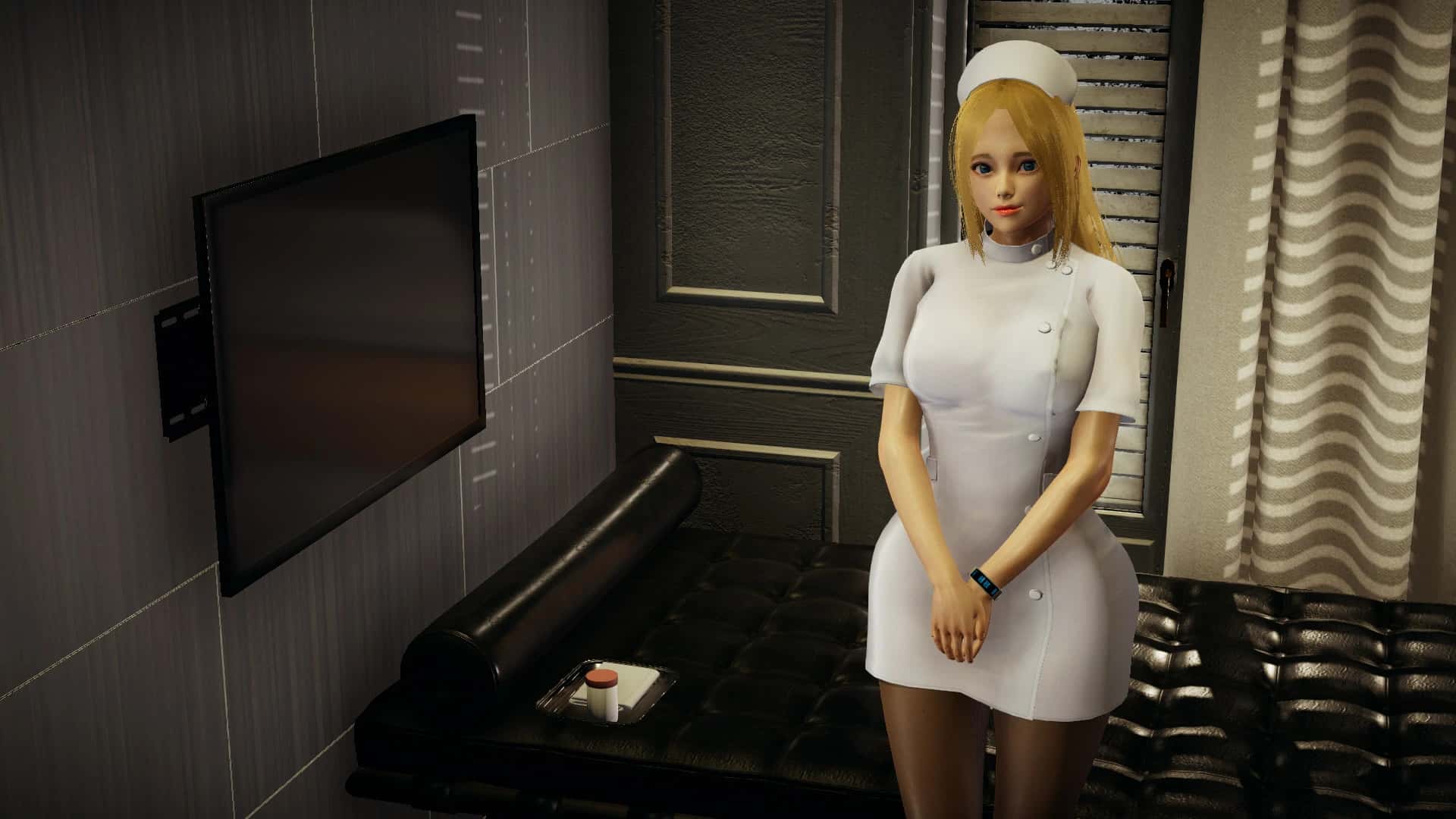
穿越古代医馆的奇幻旅程 体验中国古风恋爱模拟游戏的魅力,与多位角色发展深厚情感,享受3D古风世界的沉浸式体验 游戏特色 多位可攻略角色 与崔莺儿、菁菁、彤姨等多位性格各异的女性角色培养感情,体验不同的剧情线路 3D古风世界 精心设计的全3D国风世界,动态光影和昼夜变化效果,让您仿佛置身于古代 丰富系统玩法 包含采集、种植、制作等多种玩法,通过资源管理推进剧情发展 医馆经营 体验古代医馆的日常经营,诊治病人、调配药方,感受医者仁心 主要角色 崔莺儿(师姐) 医馆的资深弟子,性格温和,剧情线丰富。通过完成医馆任务和赠送礼物可以提升好感度。 菁菁(师妹) 活泼可爱的师妹,喜欢新奇的事物。在清晨时分与她一起采药,可以增加亲密度。 彤姨 师姐的母亲,需要耐心推进关系。通过帮助她解决医馆事务,可以逐步赢得信任。 贵妃南宫翎 新增的重要角色,拥有独特的剧情线。需要完成其他角色剧情后才能解锁。 绯燕 神秘的角色,拥有独特的魅力和故事背景。解锁贵妃南宫翎的前置角色之一。 玄霜 冷艳的角色,需要特殊的攻略方式。解锁贵妃南宫翎的前置角色之一。 更新日志 2025年6月26日 V1.4.0 重大更新 新增角色贵妃南宫翎相关内容 包含角色剧情和多种新互动方式 修复自由模式下灯光效果问题 修复角色5星后进度条显示问题 修复多语言显示异常问题 2025年5月1日 V1.3.8 更新 修复回忆功能黑屏问题 2025年4月30日 V1.3.7 更新 新增特殊互动功能 好感度达到4心以上可触发 修复师姐线任务触发问题 修复多语言文本异常问题
游戏特色
战斗系统
流畅的动作战斗体验
开放世界
自由探索广阔的游戏世界
多人合作
与朋友一起享受游戏乐趣
成就系统
丰富的挑战和奖励机制
游戏截图


游戏数据
📡 游戏指南
角色攻略
崔莺儿攻略要点
完成初始任务后多次对话提升好感度
赠送花束、首饰等精美物品
午后时分前往医馆触发特殊事件
完成医馆基础任务解锁剧情
菁菁攻略要点
帮助完成采药任务建立信任
清晨时分前往后山一起采药
注意生日准备特别礼物
多参与她喜欢的新奇活动
彤姨攻略要点
耐心推进关系,不可急躁
帮助解决医馆事务赢得信任
协助经营饭馆完成任务
保持尊重态度逐步建立关系
资源管理
采集系统
清晨和傍晚是采集稀有药材的最佳时机
雨天采集某些药材概率会提高
寻找伐木斧、镰刀、矿镐等工具
了解不同资源的用途和价值
种植系统
在医馆后院开辟种植区
定期浇水施肥确保药材质量
通过种植减少外出采集时间
合理规划获得稳定收入
制作系统
用资源制作道具用于赠礼
依靠制作完成任务推进剧情
通过卖药草维持经济循环
合理分配资源避免浪费
任务攻略
主线任务
完成医馆日常事务如诊治病人
与主要角色保持良好关系
按任务指引完成采集制作任务
调配药方提升医术水平
支线任务
与村民多交流获取支线任务
高级技巧
多周目规划
每次抉择都可能解锁新故事片段
建议多周目体验不同路线
追求100%完成度解锁所有内容
收集各种道具、CG、回忆
效率提升
合理分配资源提高游戏效率
规划最优移动路径节省时间
记录重要时间节点和角色喜好
通过合理时间安排最大化收益